
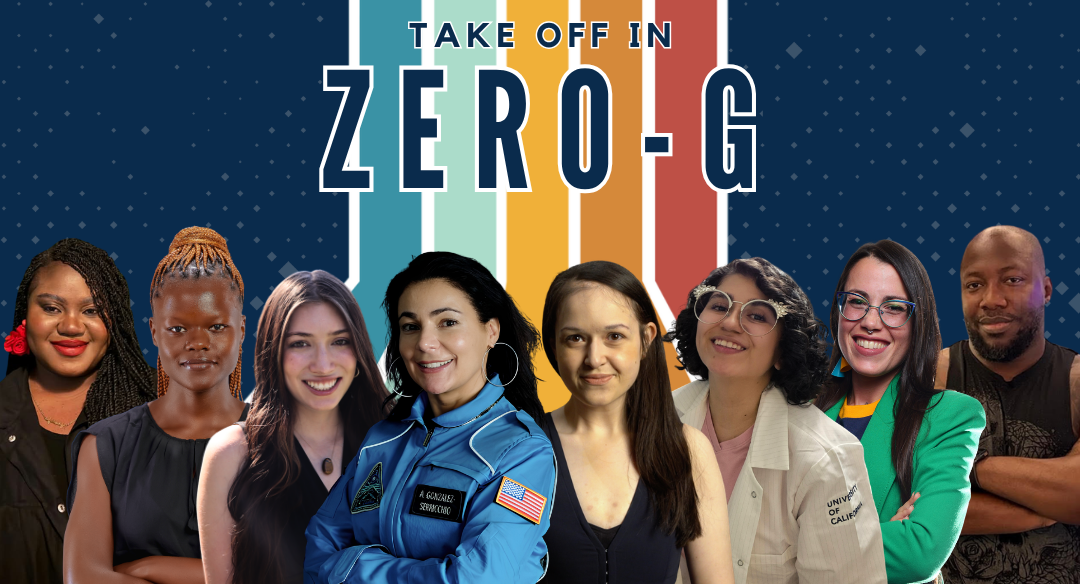
Eight science communicators from around the world will soon experience weightlessness as they prepare to inspire the next generation of explorers.
Earlier this year, Space for Humanity announced Take Off in Zero-G, a new initiative designed to identify, support, and empower the next generation of space and science communicators.
The response exceeded every expectation. More than 140 applicants from 40 countries submitted inspiring stories, each sharing a passion for science, exploration, and a desire to make space more accessible within their communities.
This week, eight outstanding communicators from across the globe will arrive in Bordeaux, France, for a once-in-a-lifetime Air Zero G flight. But this experience is about far more than floating weightless. Each participant is being mentored by an accomplished team of science communicators, storytellers, journalists, educators, and digital creators. Together, they're learning how to transform curiosity into compelling stories, build meaningful audiences, and inspire others through the wonder of science and space exploration.
Our hope at S4H is simple: that the story of humanity's future among the stars will be told by many voices, not just a few.
We're proud to introduce the inaugural Take Off in Zero-G cohort:
The Mentees
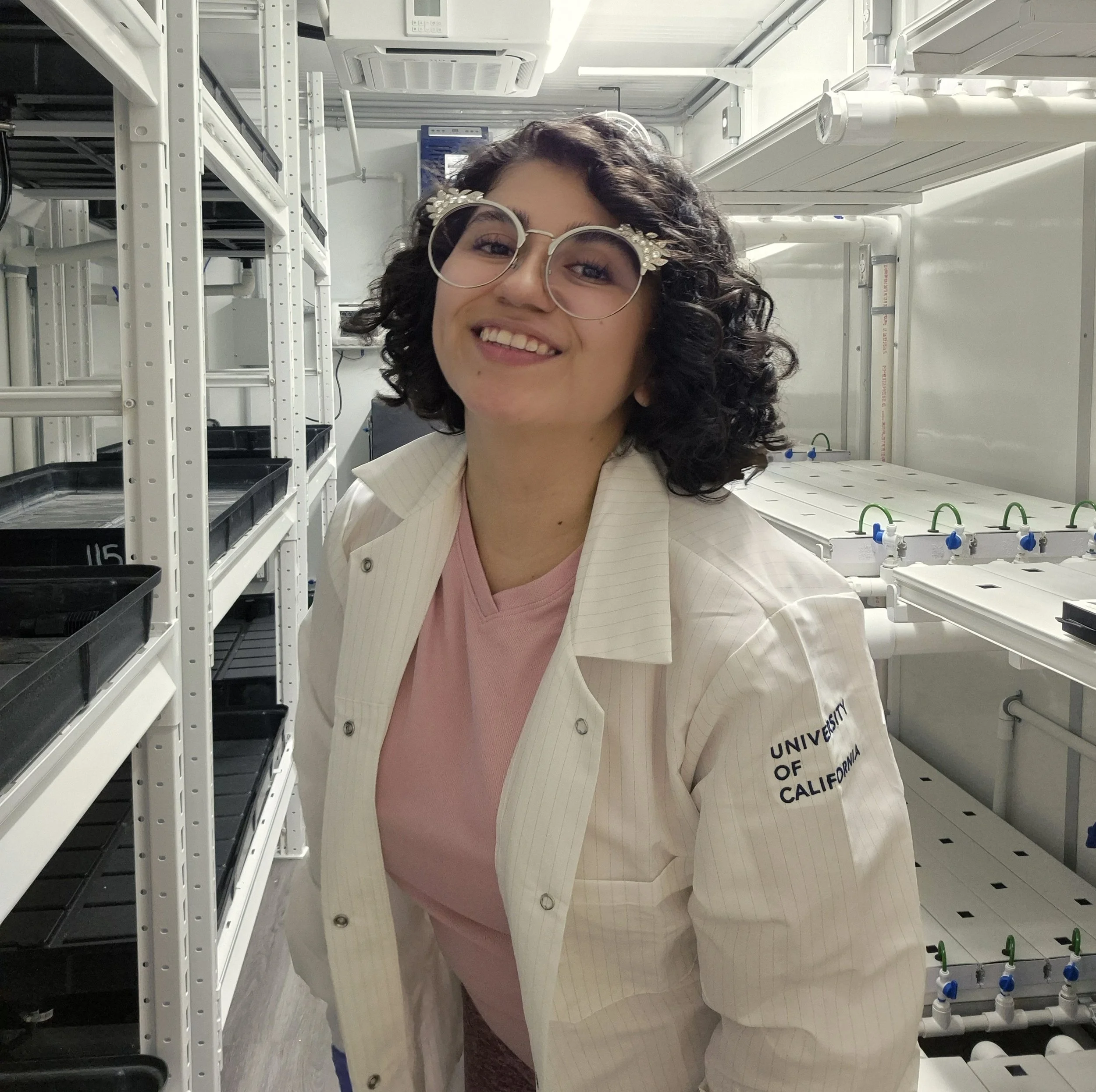
Fiorella María Arias Bonilla is a Costa Rican biotechnology engineer, entrepreneur, and science advocate whose work bridges space, agriculture, sustainability, and public policy. She's the founder of the Costa Rican Association for Aeronautics, Science, Engineering and Space or ACACIE, Costa Rica's leading nonprofit dedicated to expanding access to aerospace education, as well as the STEMinist Initiative, empowering young women pursuing careers in science and engineering. She also co-founded Orbital Space Technologies, Latin America's first space startup, helped develop Costa Rica's Bioeconomy Promotion Bill, and has collaborated with numerous aerospace organizations, including NASA. Her leadership has earned her recognition on Forbes 30 Under 30 Latin America and the International Astronautical Federation's Emerging Space Leader Award.
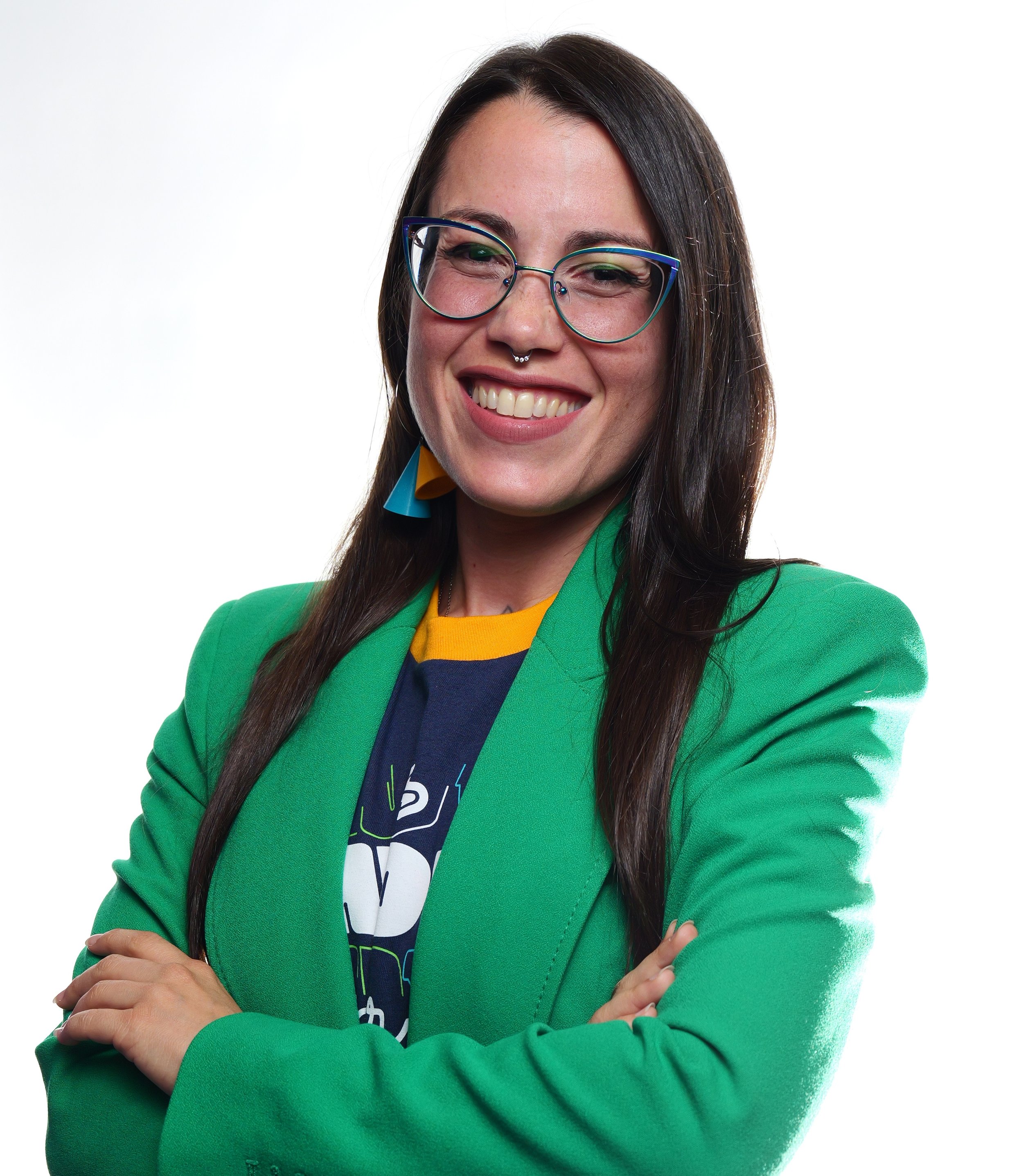
Kamille "Kilo Mora" Morales Lebrón is a Puerto Rican science communicator, artist, and communications specialist who has spent more than a decade bringing astronomy and space exploration to Spanish-speaking audiences. A volunteer with NASA's Solar System Ambassadors Program and the Caribbean Astronomy Society, she combines visual storytelling, digital media, and science communication to make complex scientific topics engaging and accessible. In her professional role with the Puerto Rico Science, Technology & Research Trust, she supports communications for research and innovation programs, including initiatives that have helped Puerto Rican scientists send experiments to the International Space Station. Through her bilingual social media platforms, she highlights astronomy, space news, and Puerto Rican scientific achievements while encouraging more women and young people to pursue careers in STEM.
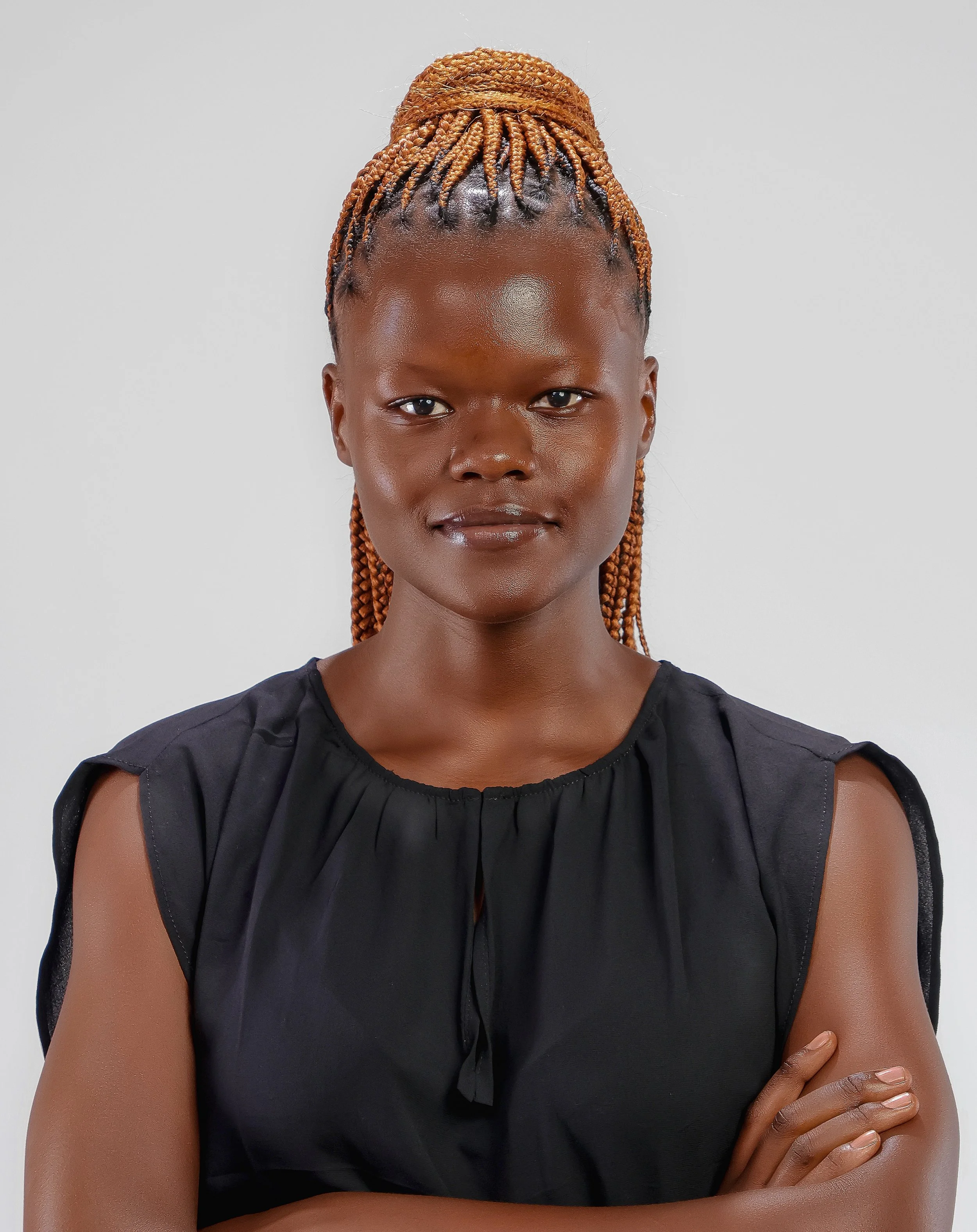
Susan Anyango Ochieng is a Kenyan geospatial technologist, science communicator, and storyteller dedicated to making space technology meaningful and accessible to communities across Africa. With a background in geoinformation technology and Earth observation, she specializes in transforming complex satellite data into compelling stories that demonstrate how space-based technologies can improve everyday life. As the Social Media Manager for Women in Space Kenya, she champions the visibility of African women in the space sector while inspiring young people to see themselves as part of its future. Susan's vision is to build an interactive science communication platform that combines geospatial storytelling with social media to demystify space technology and highlight career pathways, Earth observation, and the human stories behind satellite data.
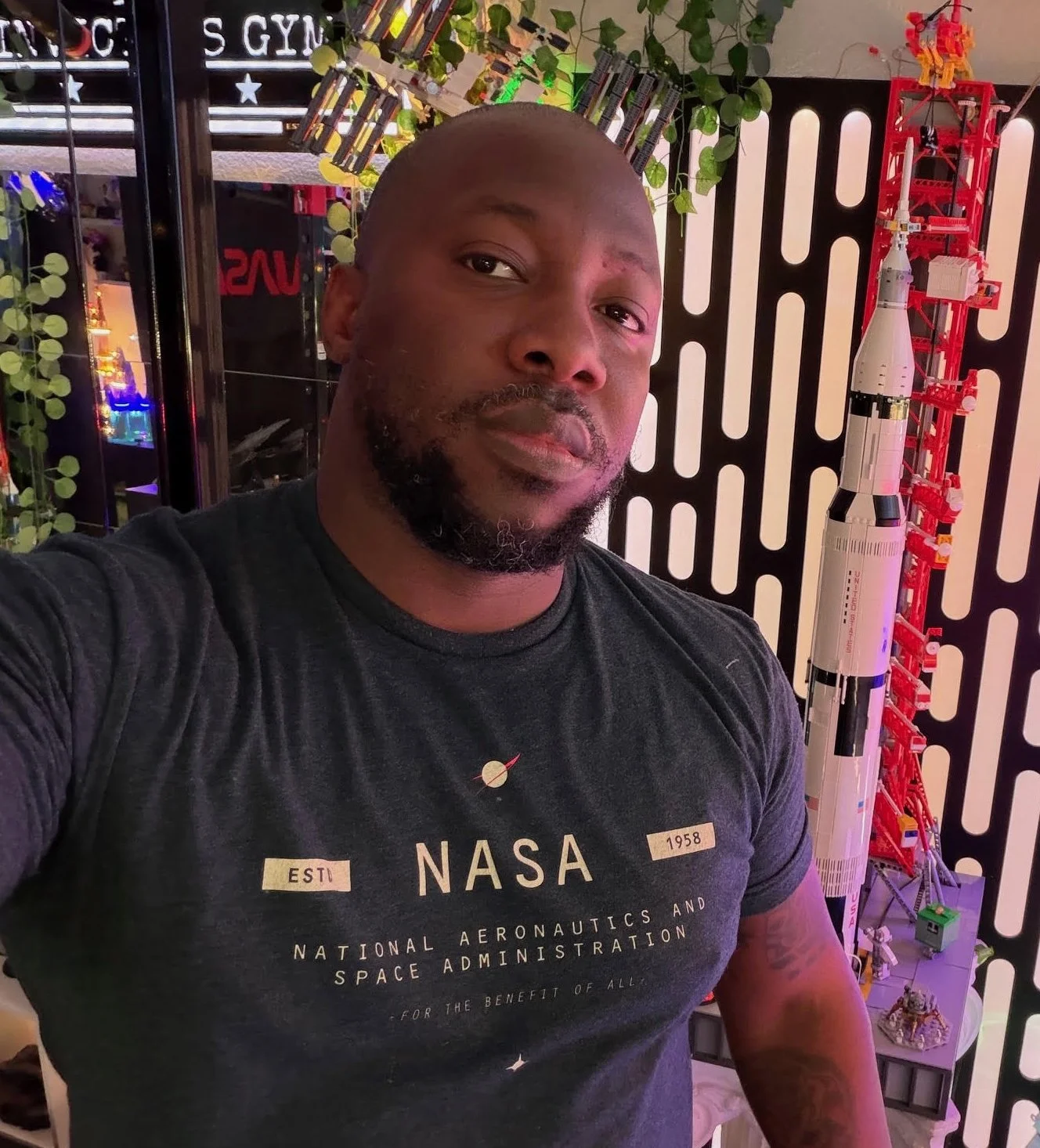
Torrean Tyus is an American healthcare professional, aspiring space operations specialist, and lifelong space advocate who believes the future of exploration belongs to everyone. While working as a Surgical Navigation Technician supporting complex neurosurgical and spine procedures, he is pursuing a bachelor's degree in Space Operations while building Invictyus Space, a platform dedicated to making space exploration, STEM, and the human stories behind discovery accessible to people from all walks of life. His journey from healthcare to the space industry reflects his conviction that it's never too late to pursue a lifelong dream. Drawing inspiration from Star Trek's vision of a future built on curiosity, cooperation, and exploration, Torrean hopes to create story-driven content that reminds people that humanity's future among the stars will be shaped not only by astronauts, but by teachers, artists, healthcare workers, parents, and dreamers alike.
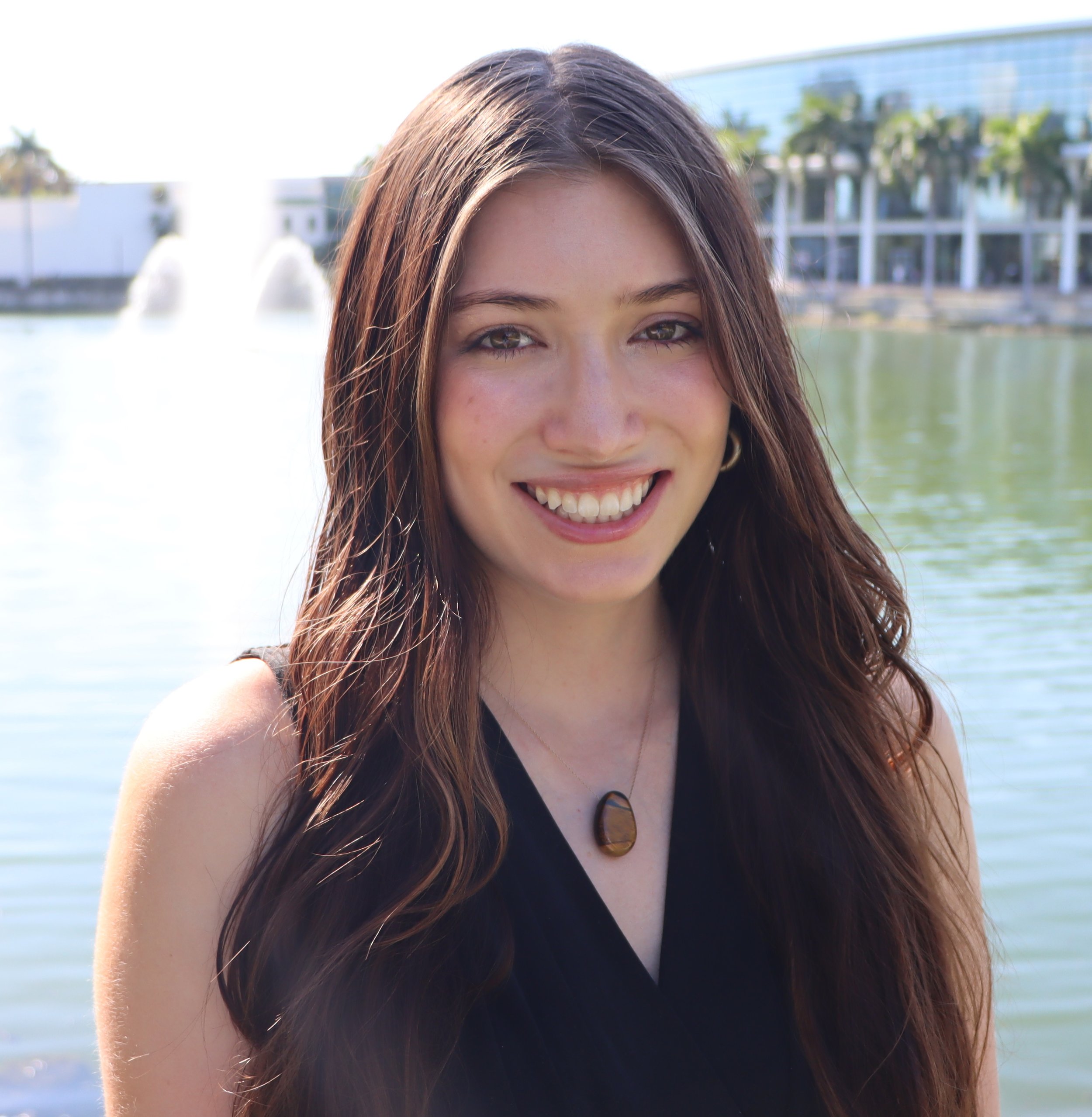
Sydney Cloutier is an American planetary scientist and NASA-funded Ph.D. student at Purdue University whose research focuses on the search for past life on Mars. Working with NASA's Interdisciplinary Consortia for Astrobiology Research, she studies Earth environments that resemble ancient Mars to better understand where evidence of life might be preserved on the Red Planet. A graduate of the University of Miami and the Erasmus Mundus Joint Master's in Planetary Geosciences, Sydney combines cutting-edge research with a passion for science outreach, education, and service, having logged more than 600 hours of community volunteer work and earned the Presidential Volunteer Service Award. Through her science communication platform, she hopes to make planetary science accessible to young students from underserved communities by combining Mars exploration, storytelling, and art.
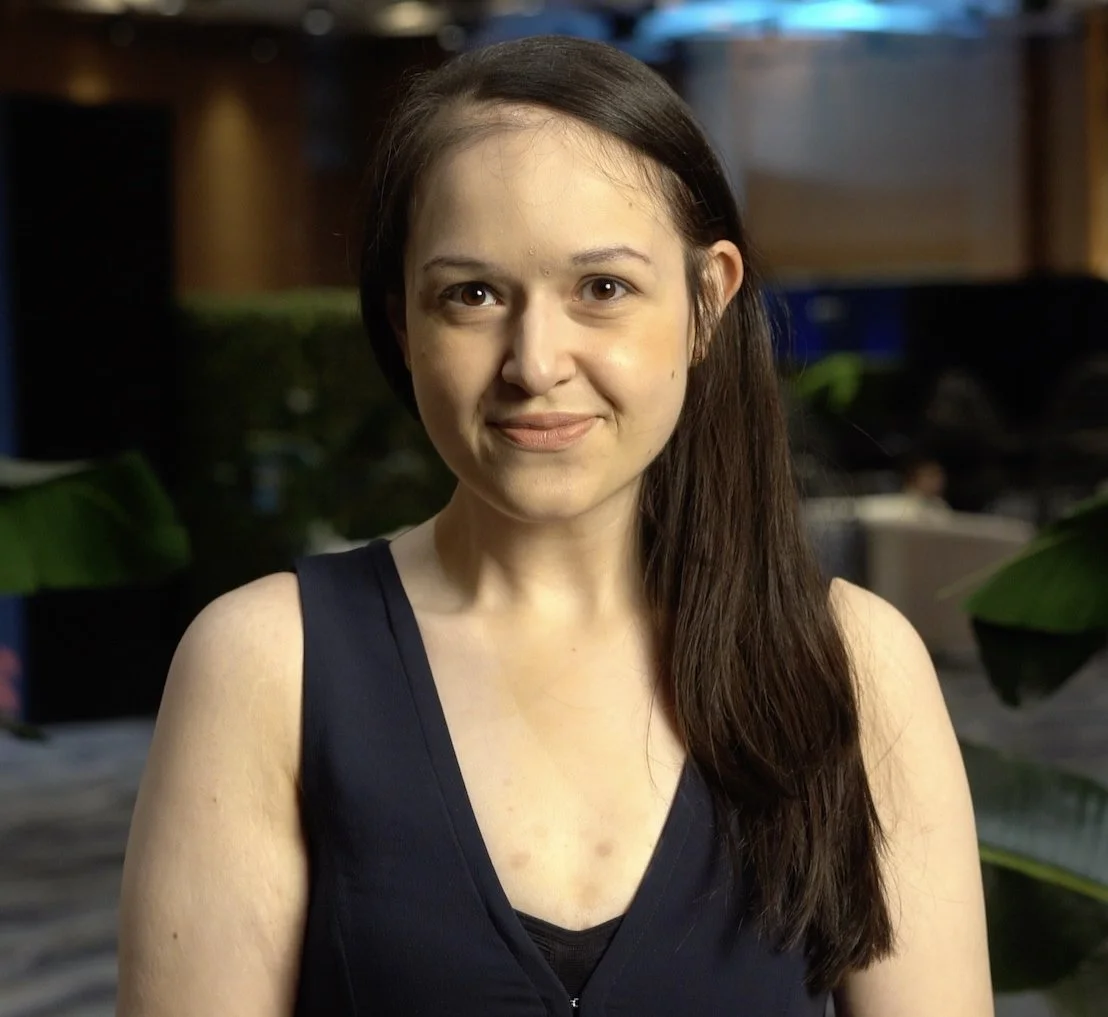
Angela Busheska is an AI engineer, researcher, and social entrepreneur from North Macedonia whose work spans artificial intelligence, climate technology, and science communication. An engineer at Google, she works on post-training and evaluation for Gemini, Google's frontier AI model, building systems that measure and improve how AI agents perform complex tasks and help engineers diagnose and resolve difficult software failures. She also leads Continuum, an AI research initiative developing digital models of the human body to better predict disease and improve healthcare. At just 18, she founded EnRoute, a youth-led climate education nonprofit that has reached more than 100,000 people in over 50 countries, and today serves on the United Nations Secretary-General's Youth Advisory Group on Climate Change. Through her work in responsible AI, climate advocacy, and public engagement, Angela is dedicated to making complex science accessible while empowering young people from underrepresented communities to see themselves as the next generation of innovators and leaders.
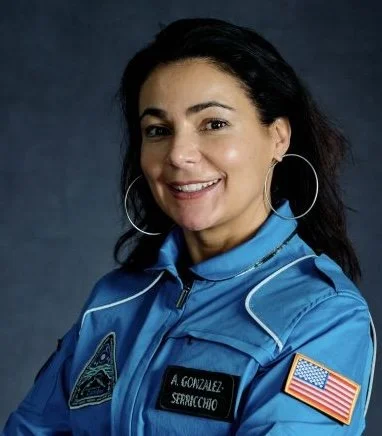
Dr. Aidyl Sofia Gonzalez-Serricchio is an American molecular geneticist, educator, author, science communicator, and amateur magician whose career spans environmental microbiology, space biology, neurodegenerative disease, and extreme-environment research. A Caltech-trained scientist and researcher, she also serves as Director of Outreach for the International Institute for Astronautical Sciences (IIAS), where she leads citizen science and STEM initiatives that connect communities with authentic scientific exploration. Her work has taken her from laboratories to the Arctic, the Azores, and Kenya, inspiring people to see themselves as active participants in discovery. Recognized by The Explorers Club as one of its Fifty People Changing the World, Dr. Gonzalez-Serricchio is also a NASA Solar System Ambassador, author, and passionate advocate for the idea that curiosity belongs to everyone—and that science is an adventure open to all.
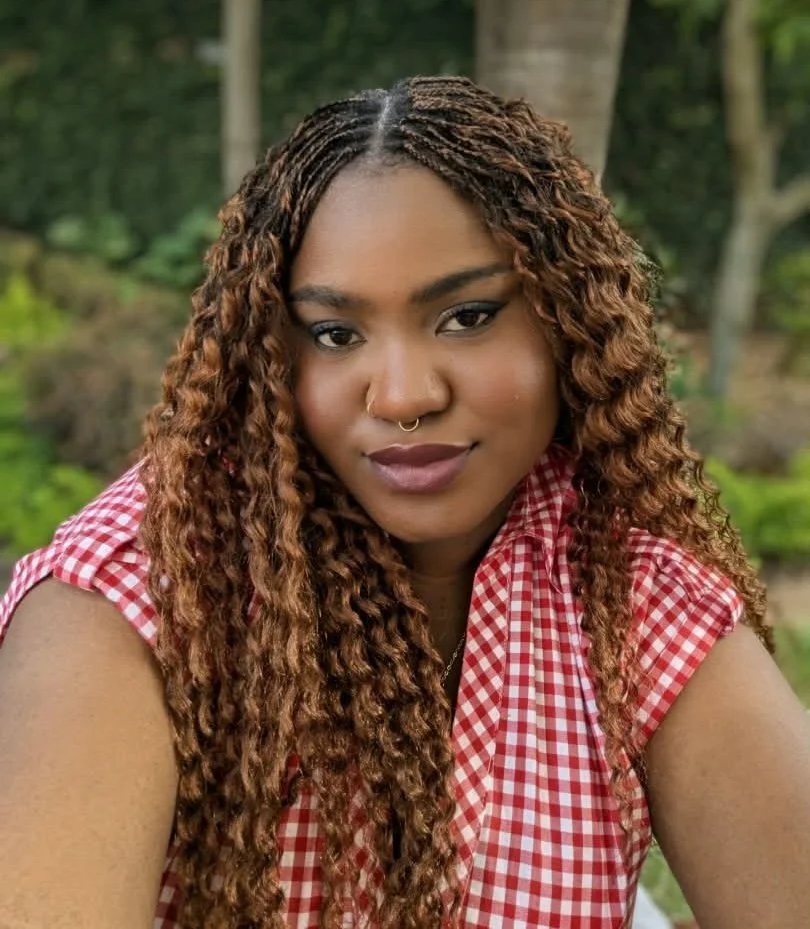
Chikondi "Chiko" Kapote is a marketing professional, science advocate, and the founder and chair of the Astronomy Club of Malawi, the first and only astronomy organization of its kind in the country. A lifelong astronomy enthusiast, Chiko is passionate about making space accessible, relevant, and inspiring for people across Malawi and Africa. Through volunteer-led stargazing events, educational outreach, and community engagement, she has spent nearly a decade helping people of all backgrounds discover their place in humanity's journey to the stars. Her goal is to inspire young people who have never seen themselves reflected in space exploration to realize that they, too, have an important role to play in humanity's future beyond Earth. (NOTE: Due to unforeseen circumstances beyond her control, Chiko is unfortunately unable to travel to France for the Zero-G flight. While she will not be joining this year's cohort in the air, she remains an important and inspiring member of the Take Off in Zero-G community, and we look forward to working with her in the future.)
At Space for Humanity, we believe the future of space belongs to all of us. By empowering voices from communities and regions that have too often been left out of the conversation, we're helping ensure that the next chapter of exploration reflects the diversity, curiosity, and ingenuity of humanity itself.
We can't wait to introduce you to these remarkable communicators over the coming weeks, and to watch the stories they tell after they return to Earth.
And be sure to check back tomorrow as we introduce the extraordinary mentors who will help guide this remarkable group of science communicators on their journey.
FOLLOW US ON ALL SOCIAL MEDIA CHANNELS TO BECOME A PART OF THE JOURNEY, TO SPACE, FOR EARTH!