
The Overview 08/31

AUGUST -- A Launchpad for Change
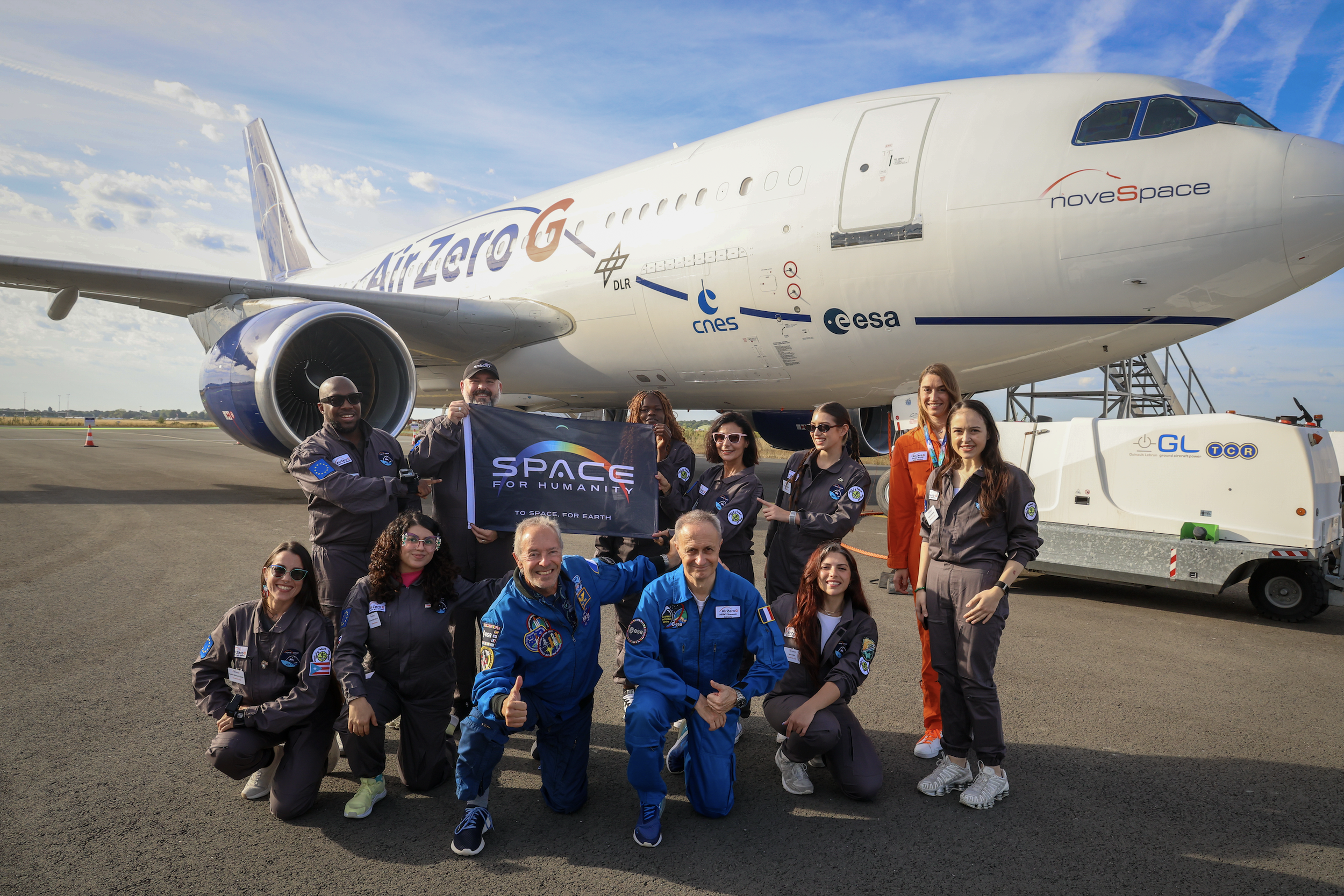
August wrapped up with several exciting milestones, the most significant of which was our Take Off in Zero-G campaign, an initiative created to inspire and empower the next generation of science and space communicators from regions where these voices have traditionally been underrepresented. On August 26, participants selected from more than 140 applicants representing 40 countries traveled to Bordeaux, France, for an unforgettable Air Zero G flight.
“At Space for Humanity, we understand the power of stories. That's why we want to create passionate storytellers who are dedicated to talking about space, science, and a brighter future for us all,” said Antonio Peronace, Space for Humanity’s Executive Director. “We believe access to space and space-adjacent experiences like this produce captivating content and are a catalyst for positive change. This isn't just about experiencing weightlessness — it's about creating a launchpad that transforms lives and empowers people to inspire the lives of others. Each participant here has the potential to become the spark that ignites tomorrow's scientists, explorers, and changemakers, especially in communities where young people may have never imagined there was a place for them in STEM. When we share these moments, we spur on curiosity, open doors, and encourage countless others to see themselves in humanity's future among the stars. Our role is to invite them in, show them what's possible, and help them realize their potential on a cosmic scale.”
We think you'll agree that we selected an exceptional group of participants:
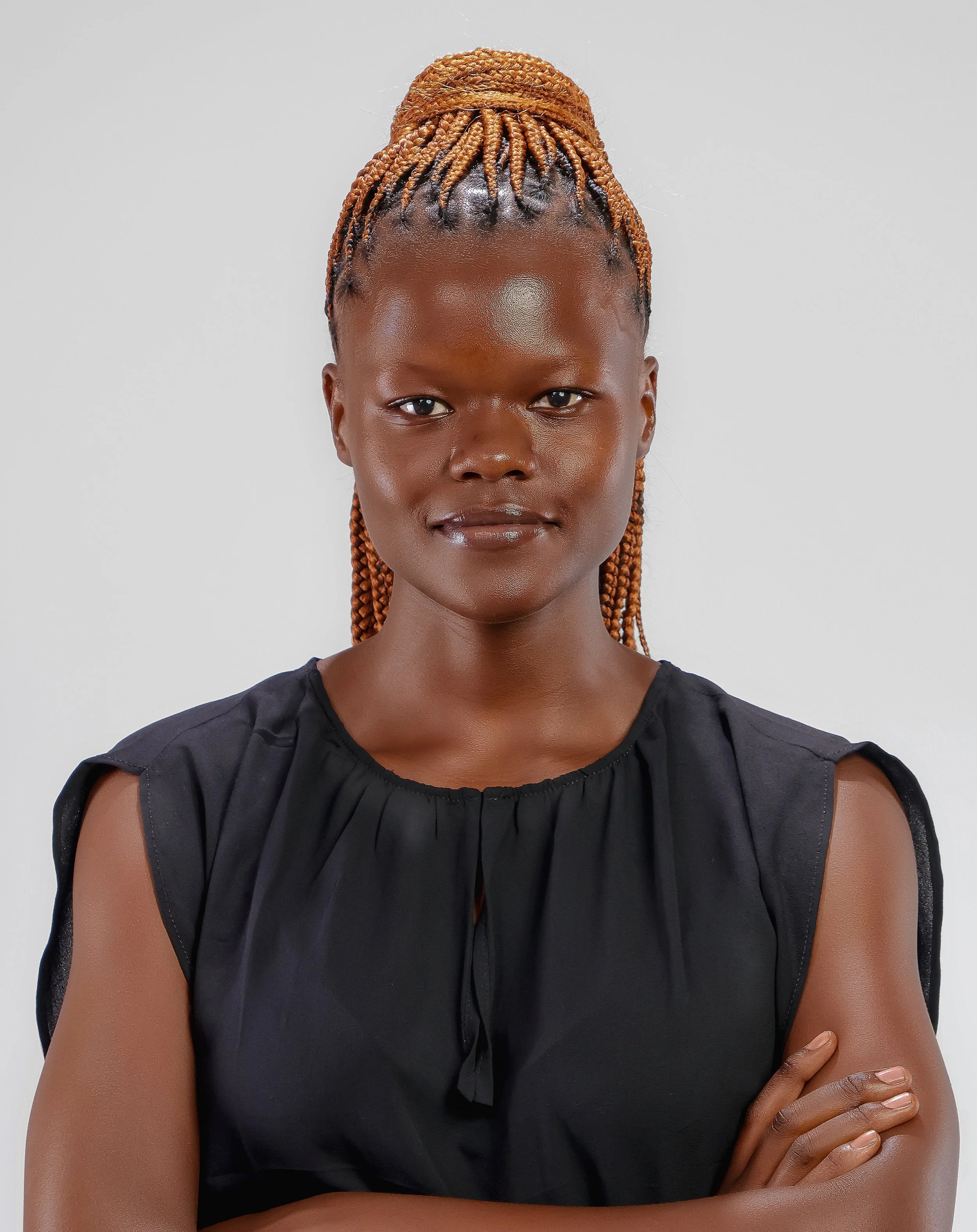
Susan Anyango Ochieng is a Kenyan geospatial technologist, science communicator, and storyteller dedicated to making space technology meaningful and accessible to communities across Africa.
"Science is not complete until it's communicated. For any young girl watching this from home, there's space for you in space."
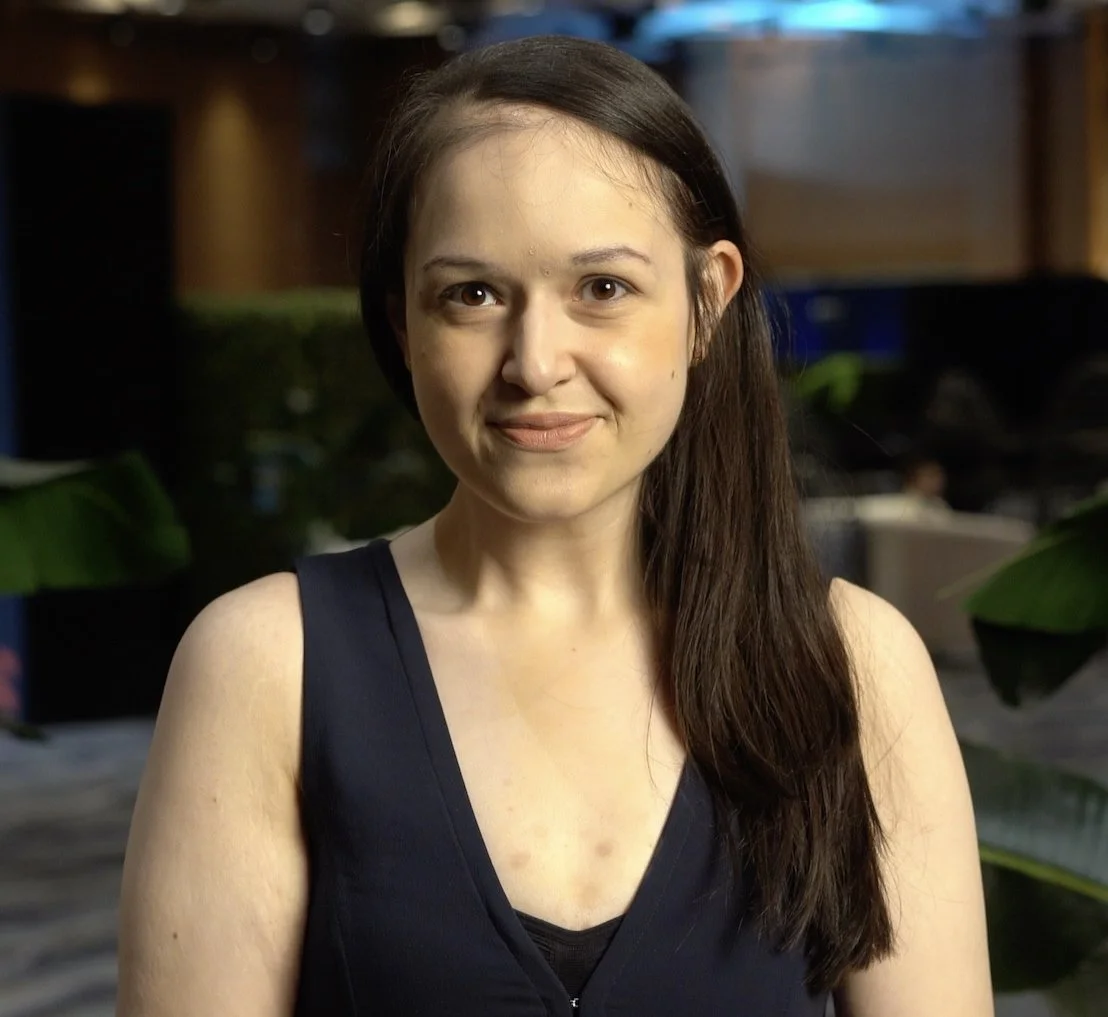
Angela Busheska is an AI engineer, researcher, and social entrepreneur from North Macedonia whose work spans artificial intelligence, climate technology, and science communication.
"Zero gravity made me realize how small a part of this world we are, and how much we could accomplish if we brought every single person together instead of focusing on just one person. By representing myself, I also represent that huge group of people who can finally look at someone and say, 'That can be me.'"
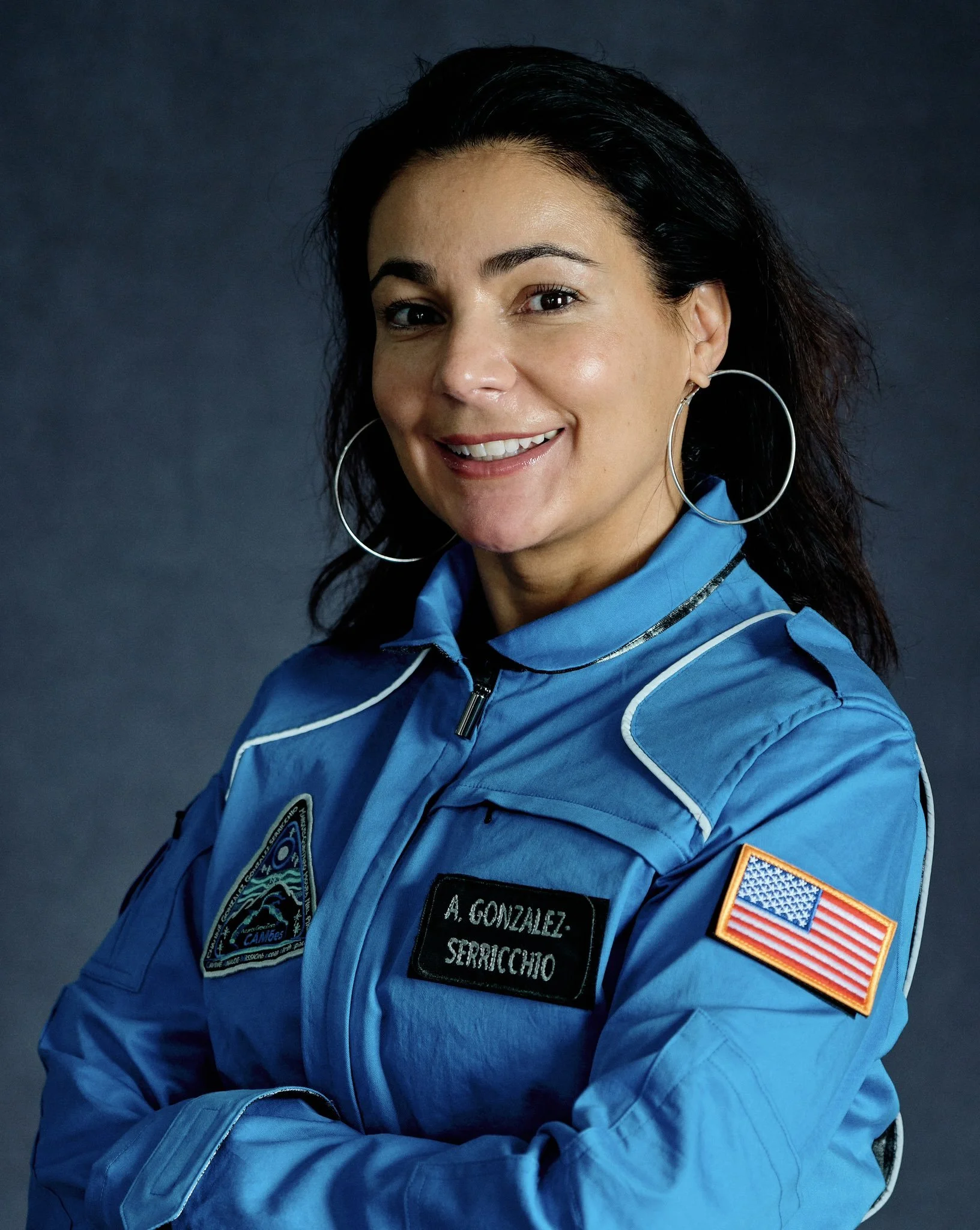
Dr. Aidyl Sofia Gonzalez-Serricchio is an American molecular geneticist, educator, and author whose career spans environmental microbiology, space biology, neurodegenerative disease, and extreme-environment research.
"People love science, they love the environment, they love space. They just don't know how to participate. I want to give them that opportunity. Science should never be something people only read about. People should be able to participate in it.”
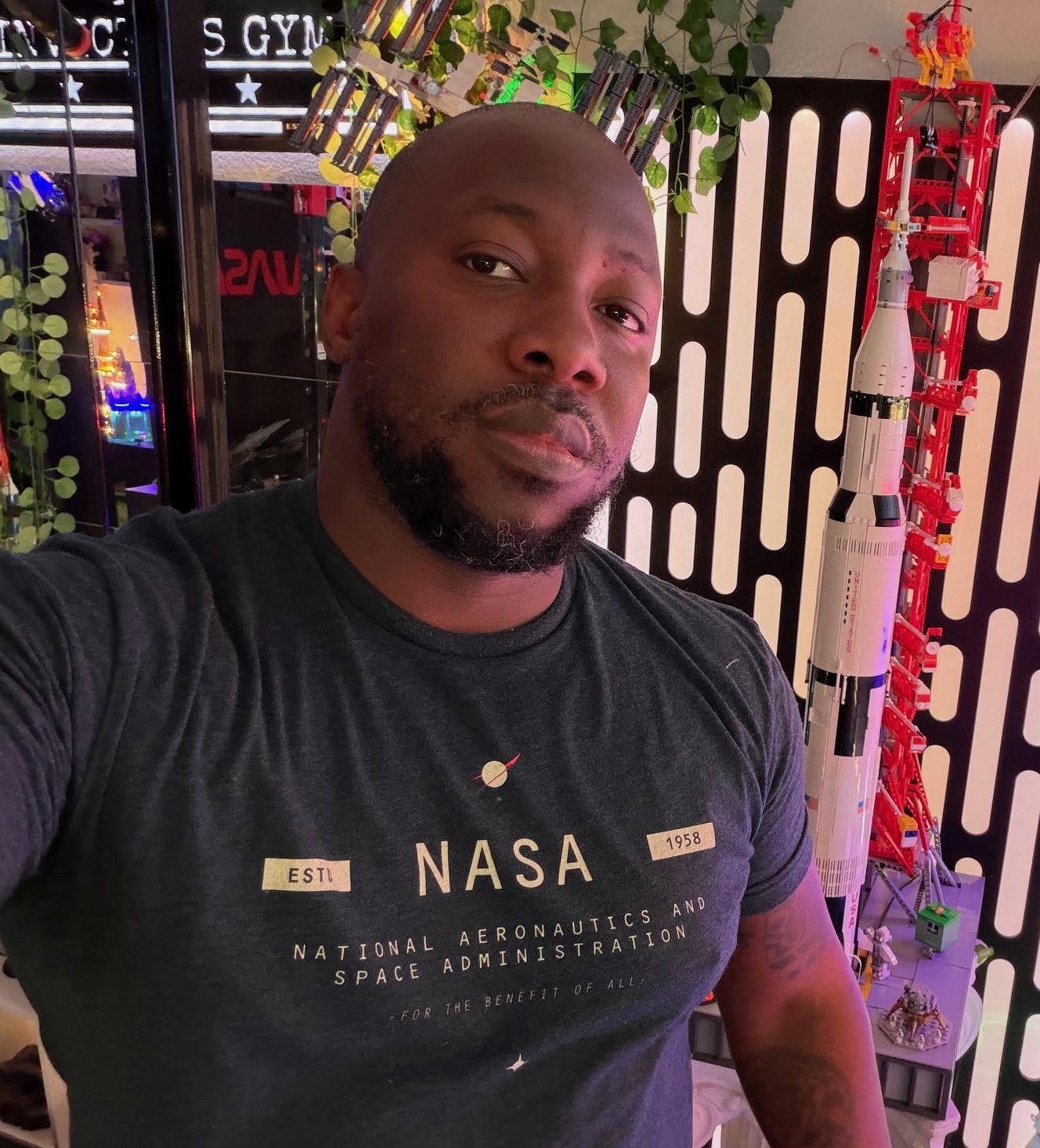
Torrean Tyus is an American healthcare professional, aspiring space operations specialist, and lifelong space advocate who believes the future of exploration belongs to everyone.
"We are not done growing yet. We have so much more to reach for. Space needs to be accessible for everybody — from the tallest to the smallest."
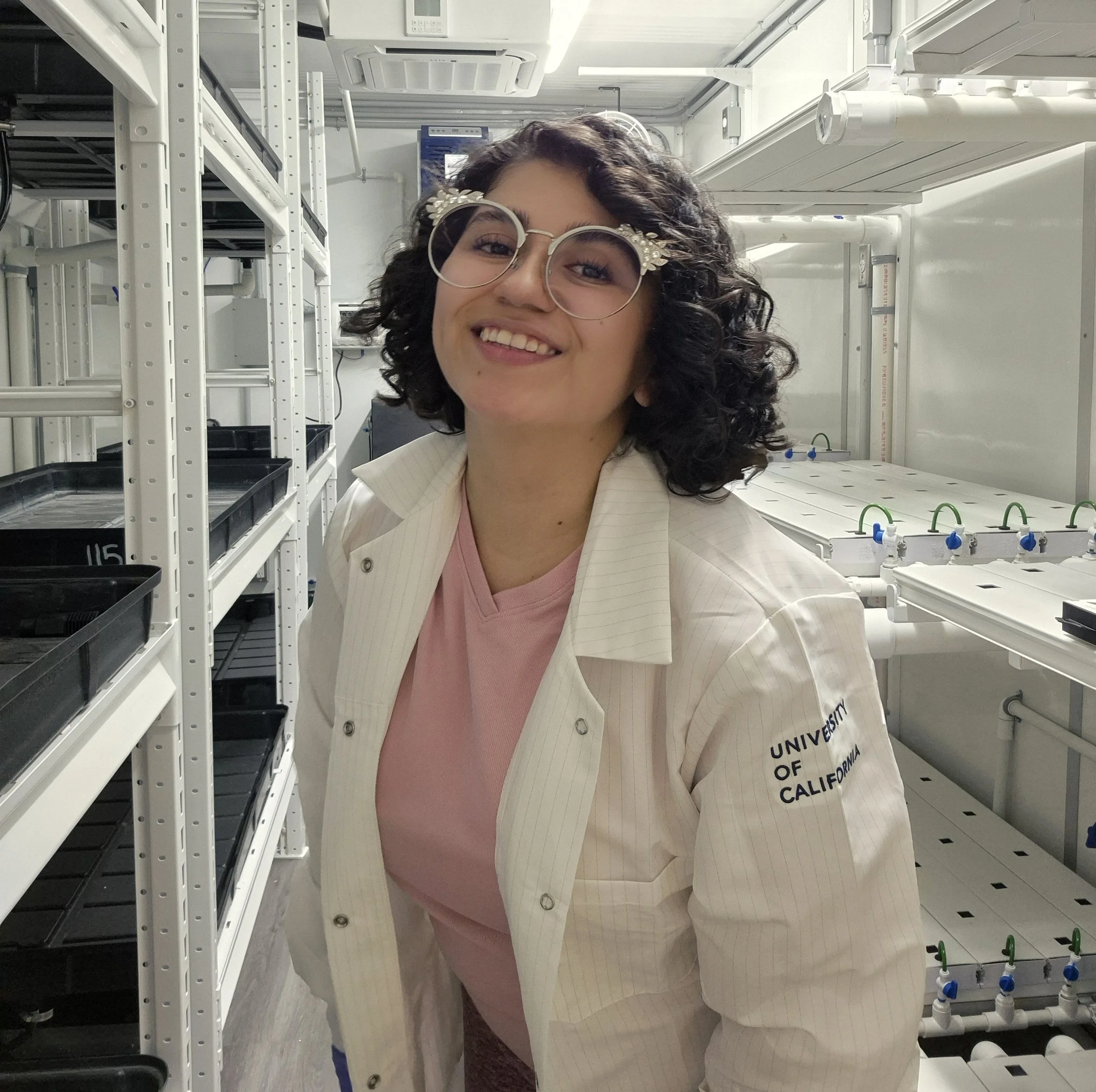
Fiorella María Arias Bonilla is a Costa Rican biotechnology engineer, entrepreneur, and science advocate whose work bridges space, agriculture, sustainability, and public policy.
"It doesn't matter if you come from a small country. It doesn't matter if your country doesn't even have a space program. I didn't do this just for myself. I did it for everyone back home who's dreaming about this."
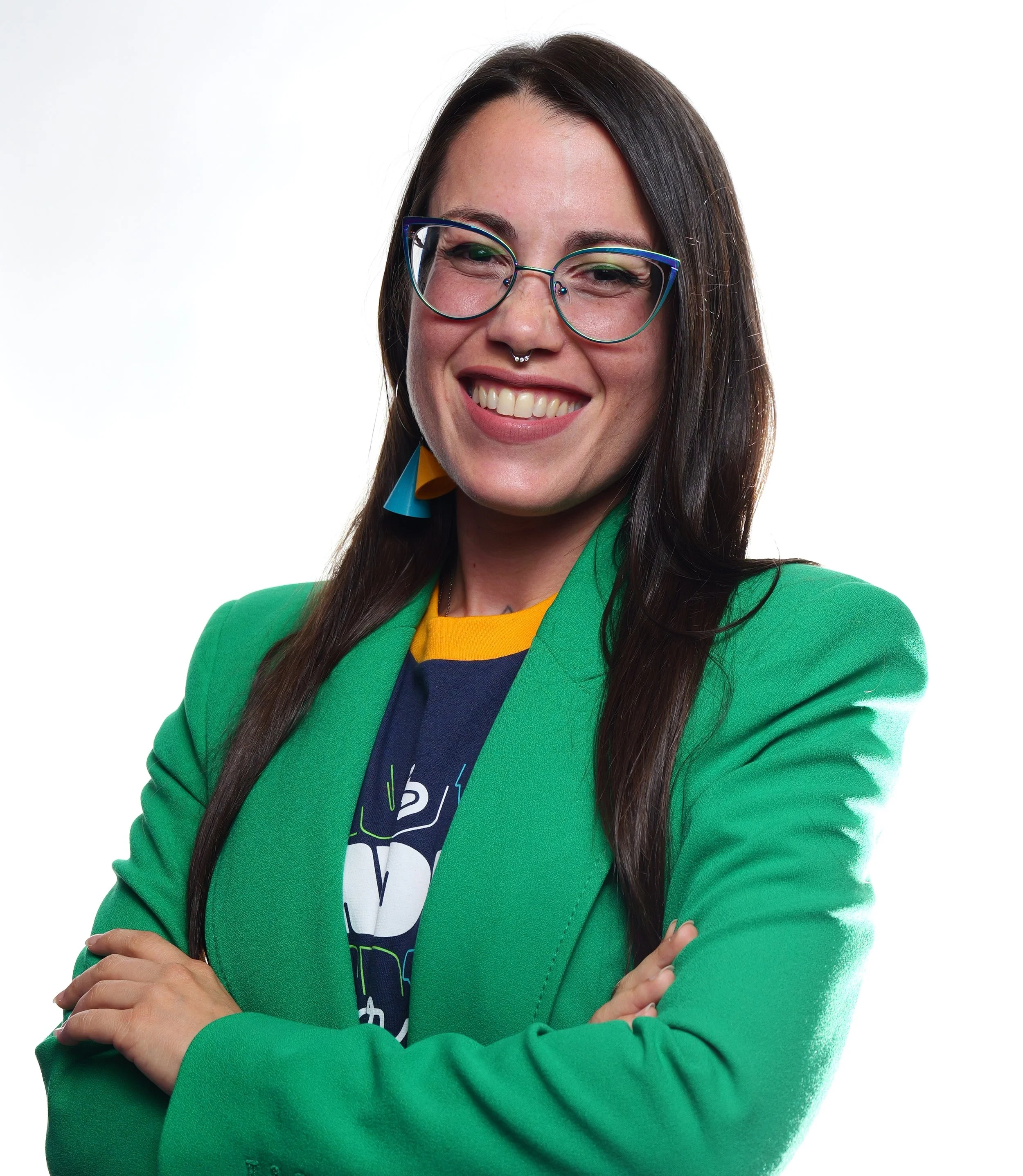
Kamille "Kilo Mora" Morales Lebrón is a Puerto Rican science communicator, artist, and communications specialist who has spent more than a decade bringing astronomy and space exploration to Spanish-speaking audiences.
"I want to bring that cosmic perspective back to Puerto Rico — to remind people that we all live in the same home."
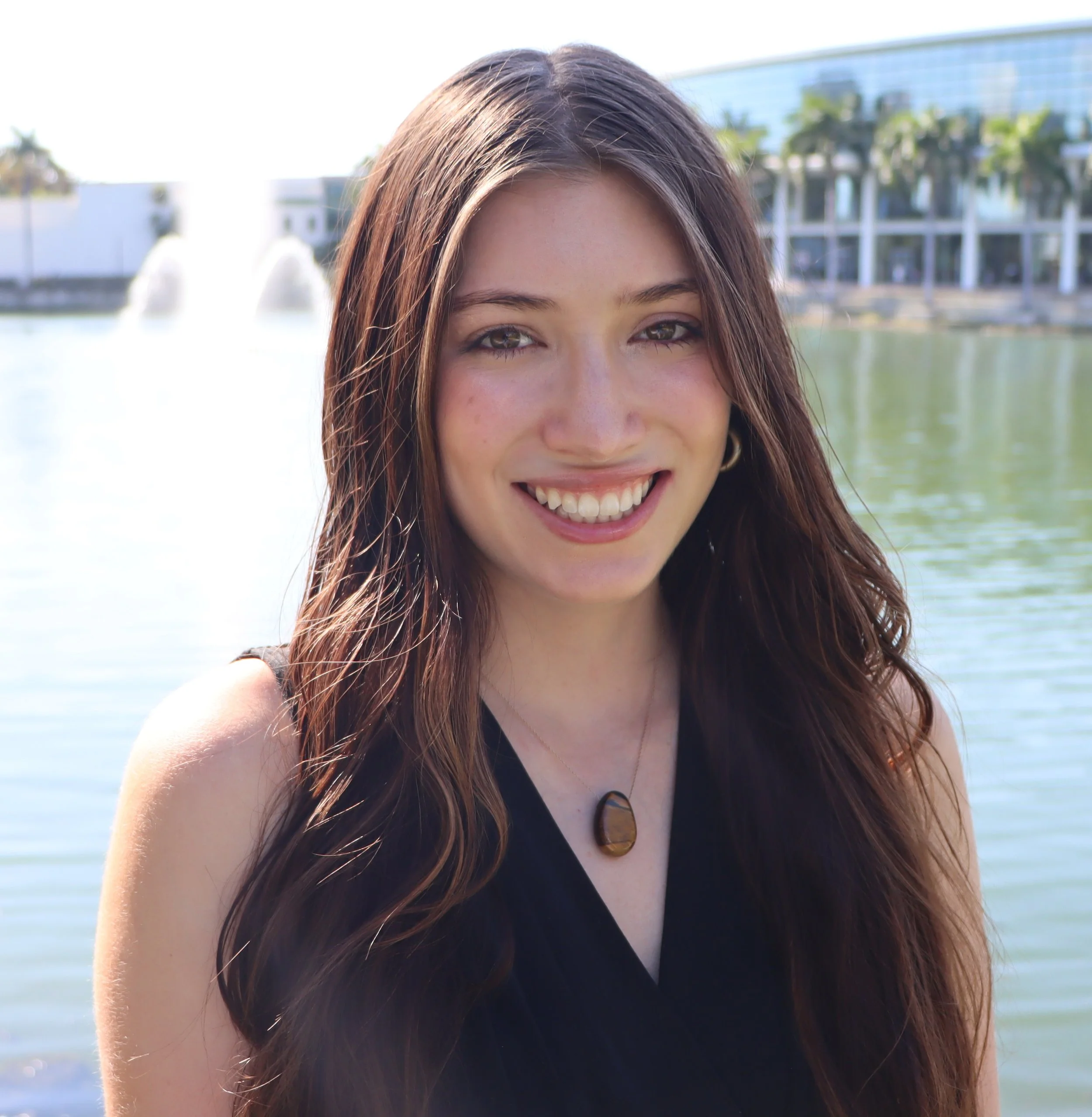
Sydney Cloutier is an American planetary scientist and NASA-funded Ph.D. student at Purdue University whose research focuses on the search for past life on Mars.
"I want communities that don't often see themselves in space to know they belong there."
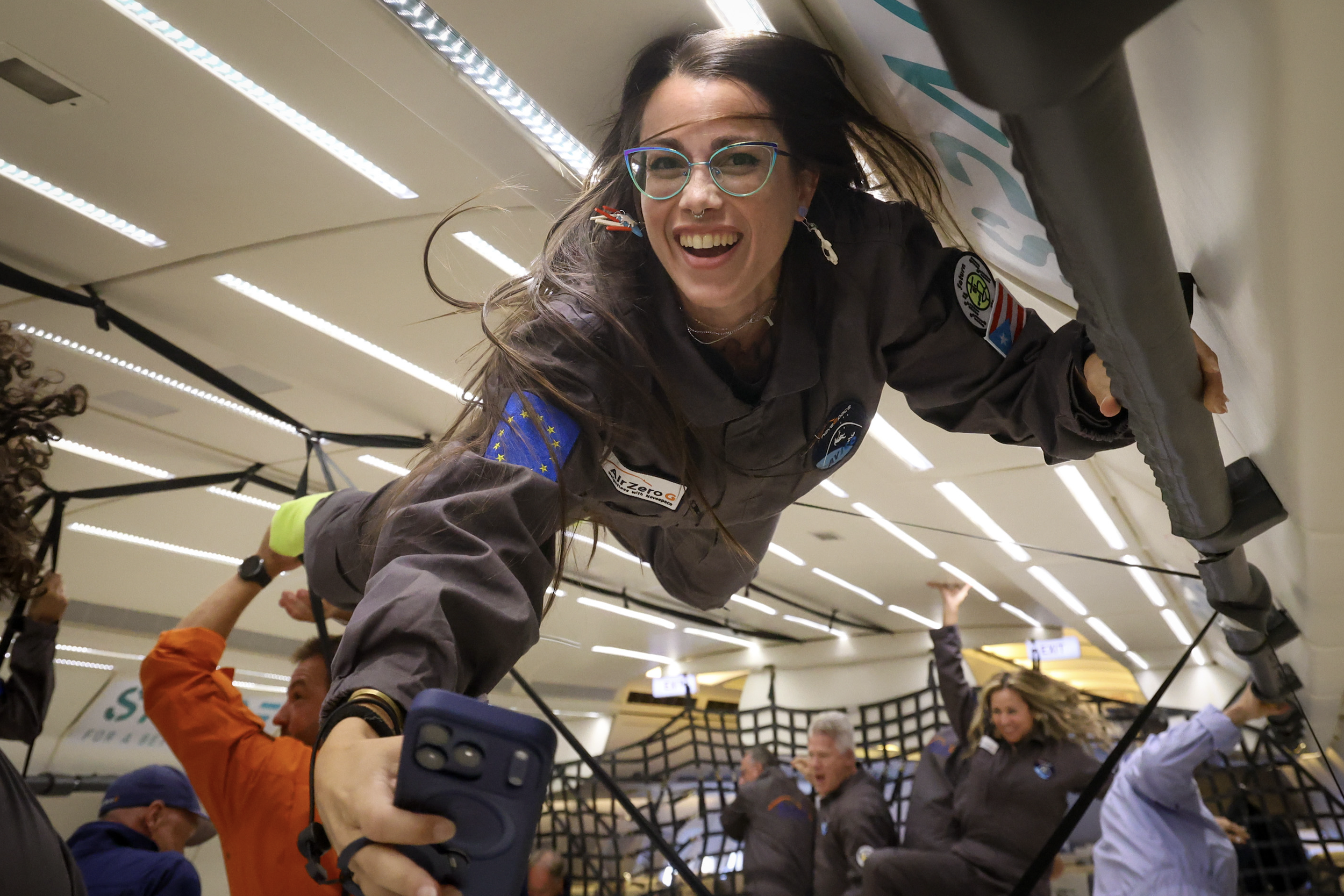
Joining the participants on the flight were surprise guests Charlie Duke, of Apollo 16 fame; Sara Sabry, S4H’s second Citizen Astronaut; retired NASA shuttle and ISS astronaut, Nicole Stott; and Space for Humanity’s founder and the Chairman and CEO of Voyager Technologies, Dylan Taylor.
But the flight itself was only the beginning. Participants are now receiving mentorship from accomplished scientists, educators, journalists, and digital creators, learning how to communicate complex scientific ideas through compelling storytelling and build platforms capable of inspiring millions. By combining the transformative power of weightlessness with professional science communication training, Space for Humanity hopes to create a global network of trusted voices who will return home to ignite curiosity, expand access to STEM, and help ensure that humanity's future among the stars is shaped by many cultures, perspectives, and communities, not just a privileged few.
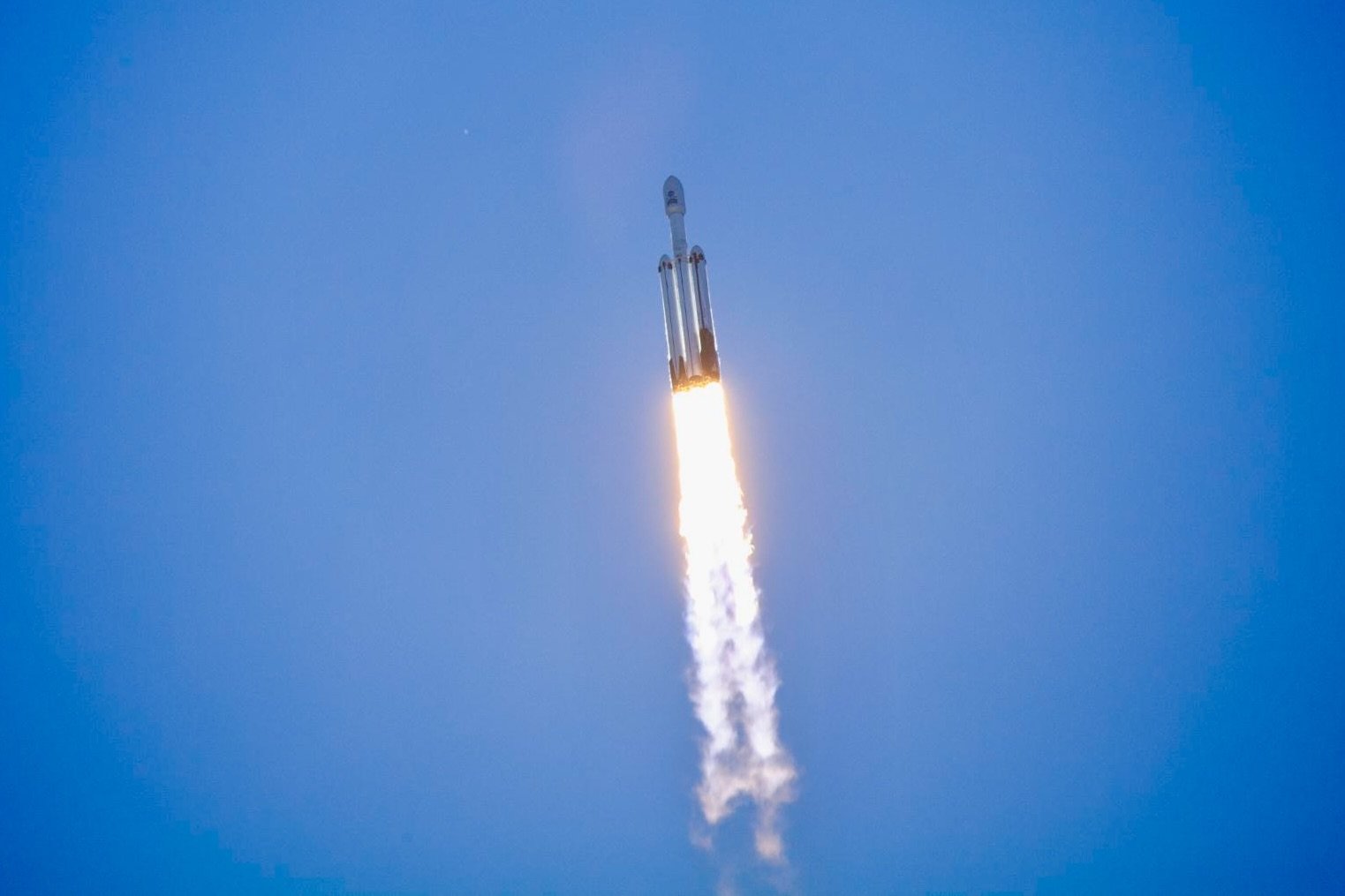
If you love space as much as we do, you likely know that the Nancy Grace Roman Space Telescope launched yesterday, on August 30. NASA's newest flagship space observatory is one of the most powerful astronomical instruments ever built.
“It was amazing to feel the power of a SpaceX Falcon Heavy blast off and carry NASA's Nancy Grace Roman Telescope to space,” said Antonio, who was on the ground in Florida for the launch. "This incredible telescope offers a field of view 100 times larger than Hubble. It will reveal new insights about the expansion of the universe, investigate dark energy, and search for distant exoplanets. For as many answers as it will provide, Roman will undoubtedly lead to even more questions about our very existence and place in the cosmos.”
At Space for Humanity, we're excited about what Roman will reveal as it dramatically expands humanity's view of the universe, and inspires the next generation of explorers, scientists, and dreamers to look up and imagine what's possible.
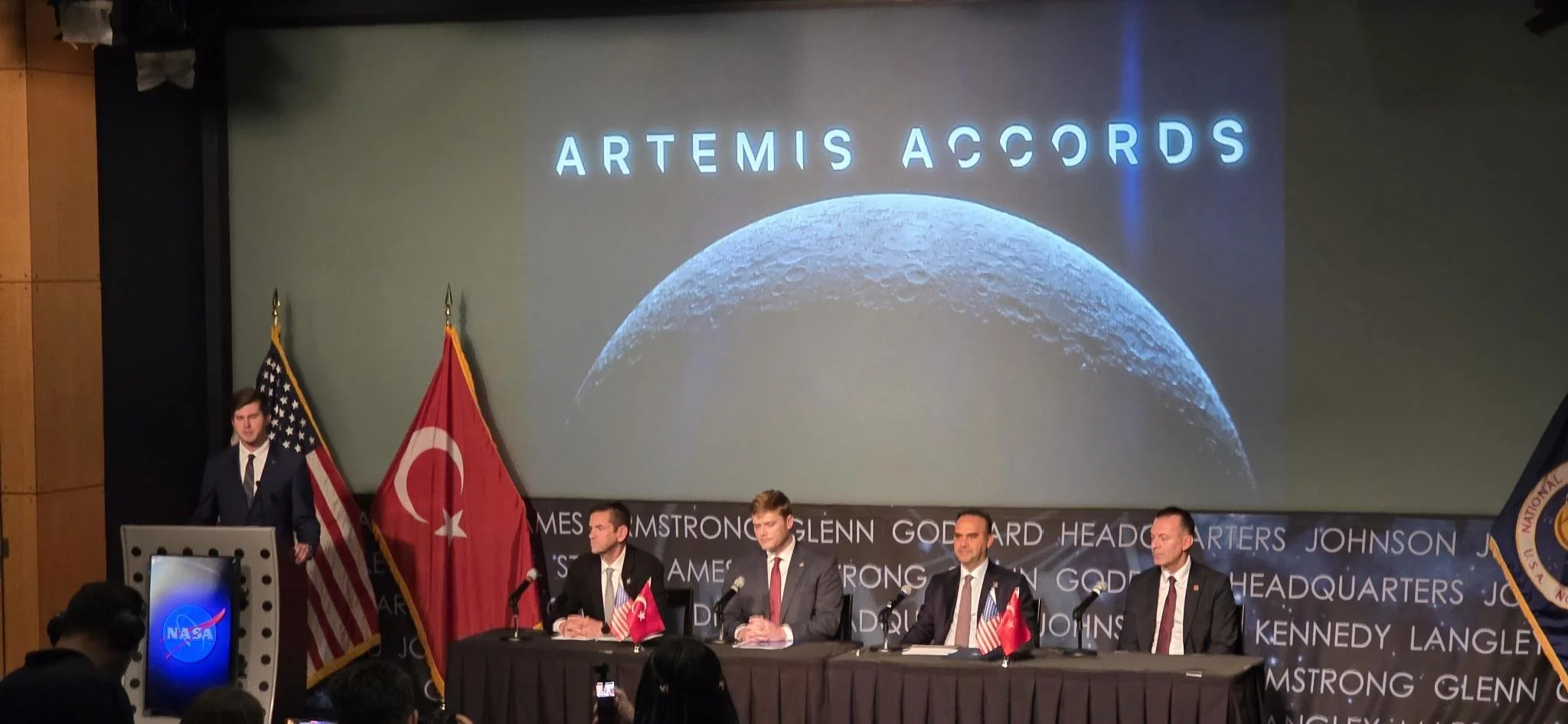
Last December, Antonio traveled to Istanbul, Türkiye, where Space for Humanity sponsored a NASA delegation on a diplomatic visit to discuss Türkiye's potential participation in the Artemis Accords, a voluntary international agreement that establishes a shared framework for the peaceful, transparent, and responsible exploration of the Moon, Mars, and beyond.
This afternoon, August 31, at a ceremony held at NASA Headquarters in Washington, D.C., Turkish Minister of Industry and Technology Mehmet Fatih Kacır officially signed the Artemis Accords alongside NASA Administrator Jared Isaacman and representatives from the U.S. State Department, making Türkiye the 71st nation to join one of the world's most significant international partnerships shaping the future of space exploration.
“It was extraordinary to be present at this afternoon's Artemis Accords signing as another nation committed itself to the peaceful exploration of space,” Antonio said. “Space for Humanity is incredibly fortunate to have helped bring this moment about with the diplomatic visit to Türkiye we sponsored last December. We look forward to seeing Türkiye and its scientists, engineers, entrepreneurs, and explorers contribute to humanity's shared future on Earth and in the cosmos.”
That was our August!
We're excited for what the final quarter of 2026 has in store. There are big events and even bigger announcements on the horizon, and we can't wait to share them with you.
Stay turned!
FOLLOW US ON ALL SOCIAL MEDIA CHANNELS TO BECOME A PART OF THE JOURNEY, TO SPACE, FOR EARTH!